
Superfakes Exposed: 10 AI Authentication Secrets That Will Save You Thousands
- HER2 Beauty Bar

- Nov 7, 2025
- 5 min read
The luxury handbag market is under siege. Superfakes: counterfeit bags so convincing that even brand executives struggle to tell them apart from authentic pieces: are flooding the market. These aren't your grandmother's knockoffs with crooked logos. Today's superfakes can fool seasoned collectors, luxury boutique staff, and even authentication experts.
But there's hope. Artificial intelligence is fighting back with microscopic precision, detecting details invisible to the human eye. Here are the 10 AI authentication secrets that are revolutionizing how we verify luxury handbags: and saving buyers thousands in the process.
1. Microscopic Stitch Counting Technology
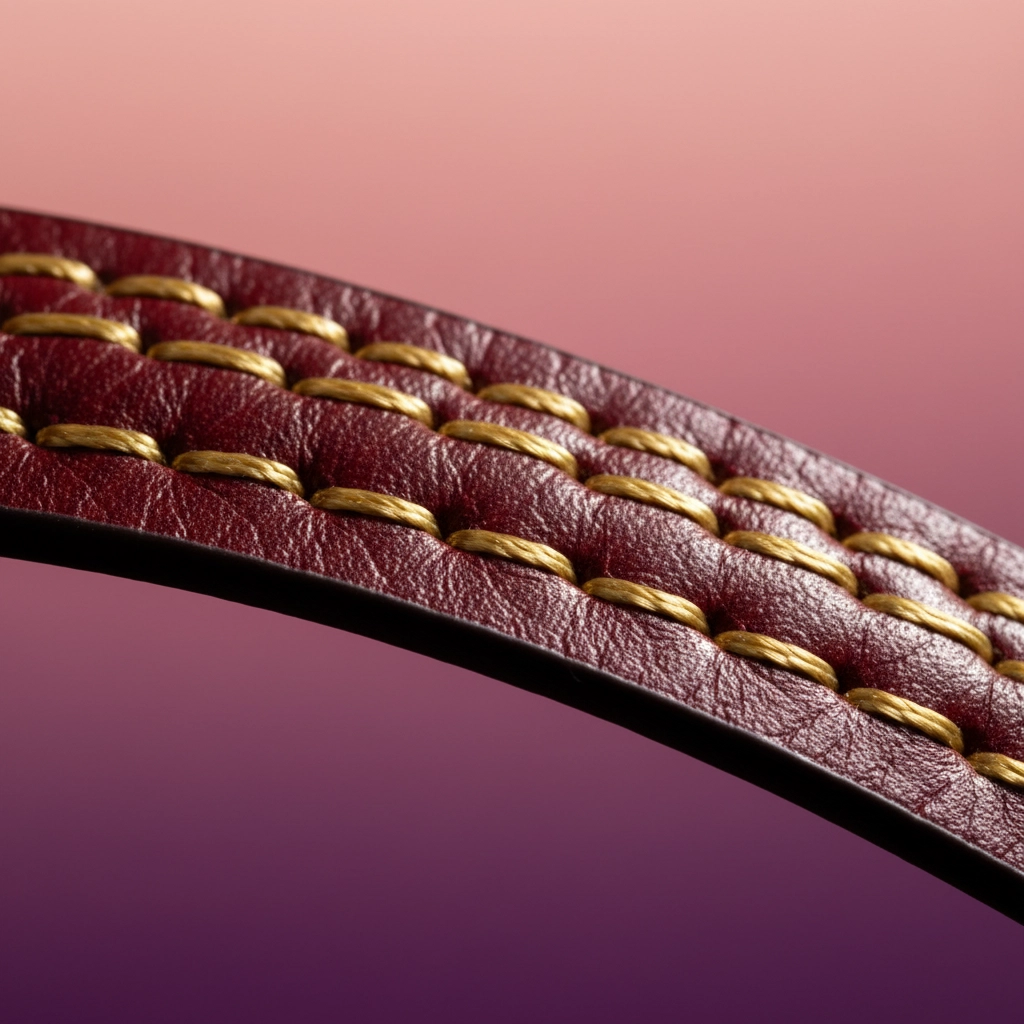
AI systems don't just look at stitching: they count every single stitch with mathematical precision. Machine learning models trained on millions of authentic handbag images create detailed stitch maps for each design. When a bag comes through authentication, the AI counts stitches between specific reference points.
Here's where it gets interesting: if a thousand authentic bags show exactly eight stitches between two components and your bag has nine, the system immediately flags it. This level of precision is impossible for counterfeiters to replicate consistently across thousands of fake bags.
2. Hardware Weight Analysis Through Computer Vision
Every authentic luxury handbag has hardware manufactured to exact specifications. AI authentication systems use computer vision to analyze not just the appearance of zippers, clasps, and buckles, but their dimensional properties that indicate weight and density.
The technology can detect when hardware appears correct visually but lacks the substantial feel of authentic pieces. Counterfeiters often use lighter, cheaper metals that look right but fail this deeper analysis.
3. Leather Grain Pattern Recognition by Year and Model
This is where AI truly shines. Luxury brands change their leather treatments, tanning processes, and grain patterns across different years and seasonal collections. AI systems maintain vast databases of these variations, cross-referencing the leather characteristics with the supposed production date and model.
If you're looking at a 2019 Chanel flap bag with leather grain patterns that weren't introduced until 2021, the AI will catch this discrepancy that might escape human authentication.
4. Typography and Heat Stamp Precision Detection
Counterfeiters struggle most with typography: and AI exploits this weakness ruthlessly. Authentication systems analyze letter spacing, font weight variations, and heat stamp depth with micrometer precision.
The AI measures the exact spacing between letters in brand names and serial numbers, comparing them against authenticated examples. Even microscopic variations in letter thickness or stamp pressure depth trigger authentication alerts.

5. Multi-Factor Evidence Compilation
Unlike humans who might focus on obvious details, AI systems compile evidence from dozens of data points simultaneously. Rather than making immediate determinations, the technology builds what experts call a "probability profile."
The system might detect minor stitching irregularities, slight hardware inconsistencies, and marginal leather texture variations. Individually, these might not indicate counterfeiting, but together they create a pattern that reveals authenticity or fraud.
6. Serial Number Cross-Reference and Pattern Analysis
AI authentication goes beyond simply checking if serial numbers exist: it analyzes the numbers themselves for patterns and consistency with production records. The technology can identify when serial numbers follow incorrect formatting patterns or appear in sequences that don't align with known production runs.
Some systems even detect when serial numbers have been artificially aged or when the stamping technique doesn't match the bag's supposed production era.
7. Component Placement Precision Mapping
Luxury handbags are manufactured with exact specifications for component placement. AI systems create detailed maps of where every element should be positioned: from logo placement to hardware positioning to interior pocket locations.
The technology measures distances between components and compares them against authenticated examples. Counterfeiters often work from photos rather than original specifications, leading to placement errors that AI easily detects.
8. Texture Analysis Through High-Definition Photography
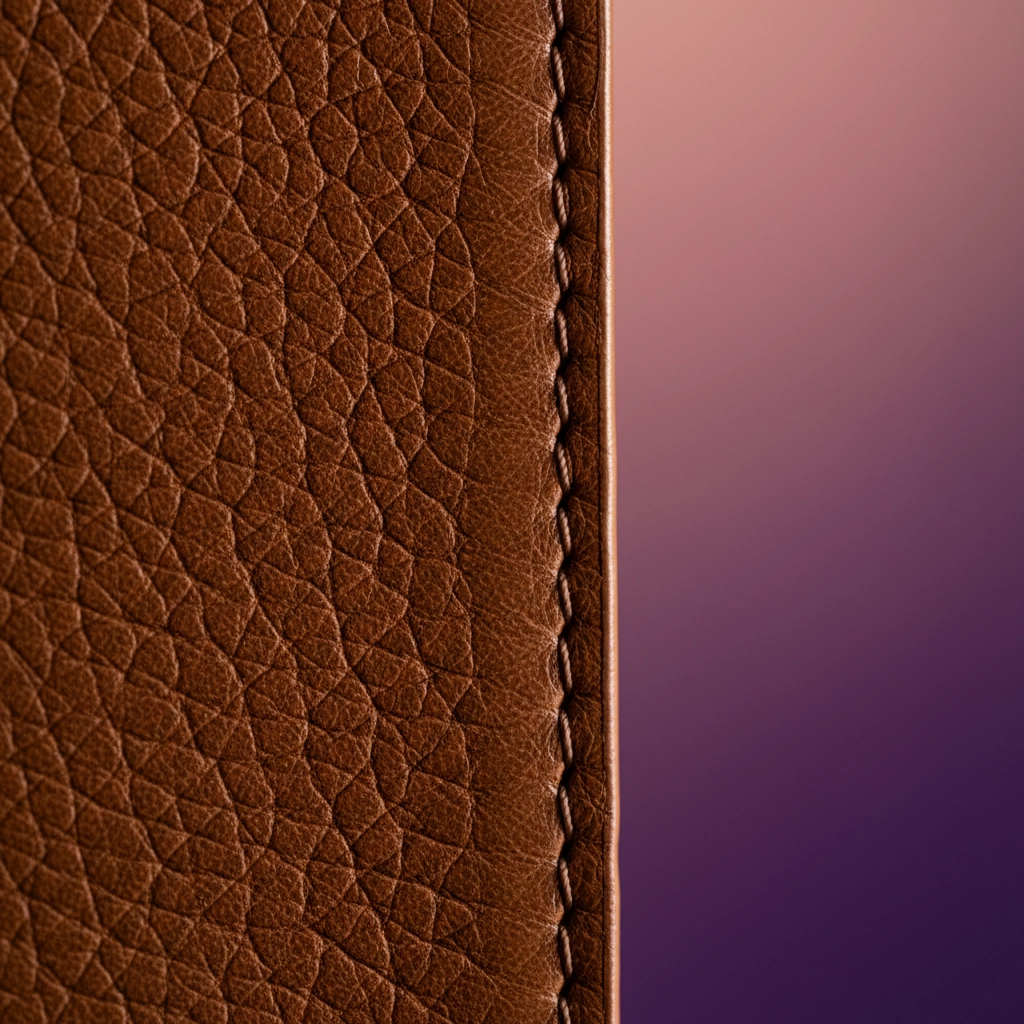
Advanced AI authentication requires ultra-high-definition photography that captures surface textures in extraordinary detail. The technology analyzes leather pores, stitching thread characteristics, and material weaves at levels far beyond human visual capability.
This texture analysis is particularly effective because authentic luxury materials have consistent manufacturing characteristics that are extremely difficult for counterfeiters to replicate perfectly.
9. RFID and Blockchain Integration
The most advanced authentication systems combine AI analysis with embedded technology. Some luxury brands now include RFID tags or microchips that work alongside AI verification systems.
Blockchain-authenticated serial numbers create transparent verification chains that AI systems can instantly access and verify. This multi-layered approach makes counterfeiting exponentially more difficult.
10. Continuous Learning and Database Updates
Perhaps the most powerful secret is that AI authentication systems continuously learn and improve. Every authenticated item: both genuine and counterfeit: feeds data back into the machine learning models.
This means the systems become more sophisticated over time, learning to identify new counterfeiting techniques and staying ahead of superfake manufacturers. Professional authentication services often update their AI models weekly with new data.
The Reality of Superfake Sophistication
Understanding why AI authentication is necessary requires grasping just how sophisticated superfakes have become. Brand executives report spending days trying to determine whether high-end counterfeits are authentic. One luxury brand president admitted their team needed two full days to authenticate a single bag.
This isn't hyperbole: it's the new reality of counterfeiting. Criminal organizations invest millions in replicating every detail of luxury handbags, often using the same materials and manufacturing regions as authentic pieces.

Professional Authentication Services
The rise of AI-powered authentication has led to specialized services that combine technology with expert human review. These services typically provide certification within hours, using layered authentication approaches that include:
Computer vision analysis of multiple high-resolution photographs
Cross-reference with authenticated item databases
Expert human verification of AI findings
Detailed authentication reports with specific findings
Protecting Yourself in the Market
While AI authentication is revolutionizing verification, consumers should understand several key points:
Legal Considerations: Purchasing superfakes isn't illegal for consumers in the US, but the supply chains often involve organized crime linked to terrorism, drugs, and human trafficking.
Investment Protection: With luxury handbags increasingly viewed as investment pieces, proper authentication protects significant financial investments.
Market Evolution: As AI authentication becomes more sophisticated, the value gap between authenticated and non-authenticated luxury items will likely increase.
The Future of Authentication
The arms race between counterfeiters and authentication technology continues evolving. Luxury brands are investing in multiple strategies including advanced RFID technology, blockchain verification systems, and increasingly sophisticated AI analysis.
For consumers, this means greater confidence in luxury purchases: but only when using proper authentication services. The days of relying on visual inspection alone are over. In today's market, AI-powered authentication isn't just helpful: it's essential for protecting your investment in luxury handbags.
The technology exists today to identify even the most sophisticated superfakes. By understanding these AI authentication secrets, you can make informed decisions and avoid costly mistakes in the luxury handbag market.
Comments