
Tariff Changes Are Making Pre-Owned Luxury Irresistible: 10 Things Smart Shoppers Need to Know
- HER2 Beauty Bar

- Dec 19, 2025
- 4 min read
The luxury fashion landscape is experiencing a seismic shift in 2025. New tariff policies are dramatically impacting the cost of imported designer goods, making pre-owned luxury items more attractive than ever before. For savvy shoppers who understand the market dynamics, this presents an unprecedented opportunity to acquire coveted pieces at remarkable value.
Recent trade policy changes have introduced substantial import duties on luxury goods from Europe, affecting everything from Chanel handbags to Hermès accessories. These tariffs, ranging from 20-30% on certain categories, are forcing fashion houses to raise prices significantly on new merchandise. Meanwhile, pre-owned luxury pieces purchased before these tariff implementations remain unaffected, creating a compelling price gap that smart shoppers are beginning to exploit.
The New Reality of Luxury Shopping
The luxury fashion market operates differently than most retail sectors. When tariffs increase the cost of new items, pre-owned versions don't automatically adjust upward in the same proportion. This creates unique arbitrage opportunities for informed buyers who understand how to navigate both markets effectively.
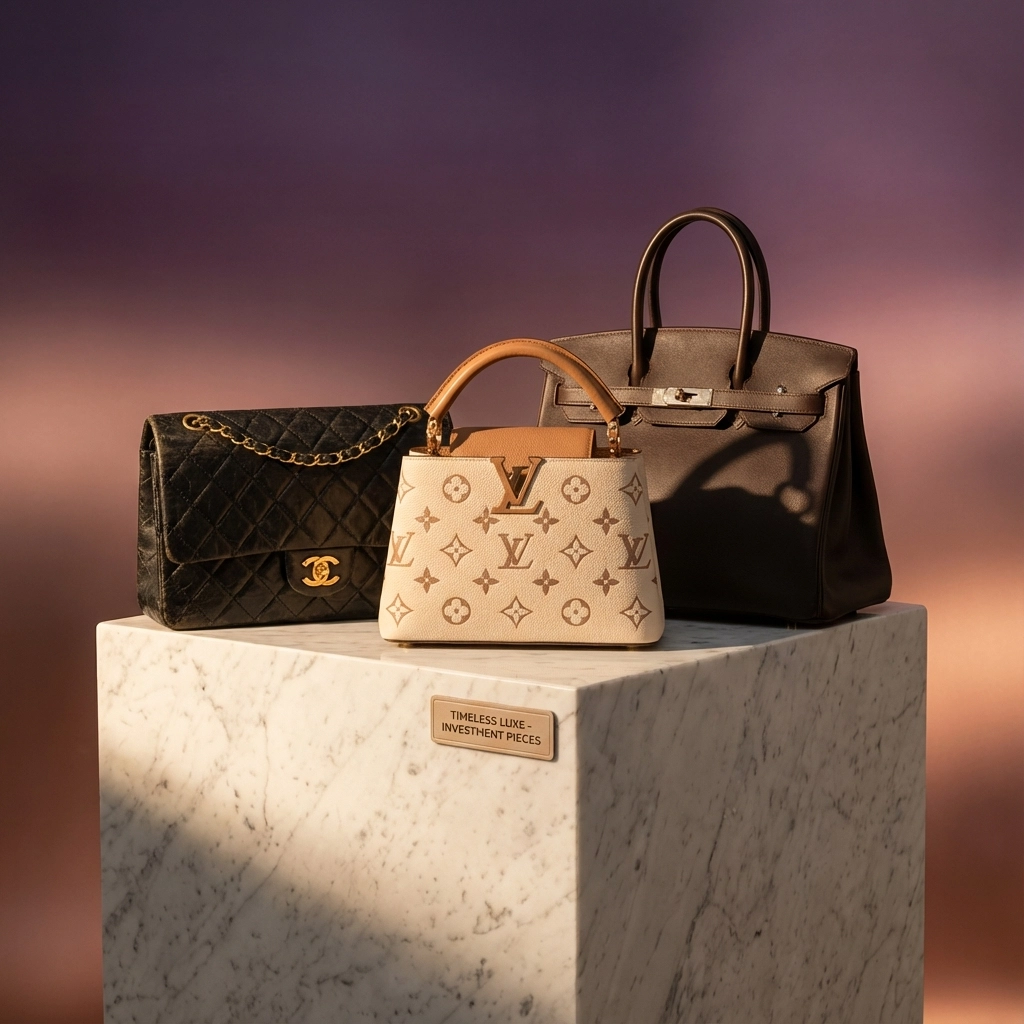
Major fashion houses like Chanel, Louis Vuitton, and Hermès source materials and manufacture products across Europe, making them particularly vulnerable to import duty increases. The ripple effects extend beyond just the final product prices – even components like hardware, zippers, and specialty leathers face increased costs when crossing borders.
10 Strategic Insights for Smart Luxury Shoppers
1. Price Protection Through Pre-Owned Purchases
Pre-owned luxury items purchased before tariff implementation offer built-in protection against current price increases. A Chanel Classic Flap bag that retailed for $8,000 in 2024 might now cost $10,400 new due to tariff impacts, but pre-owned versions remain priced based on their original market value plus normal appreciation.
2. Authentication Services Have Never Been More Important
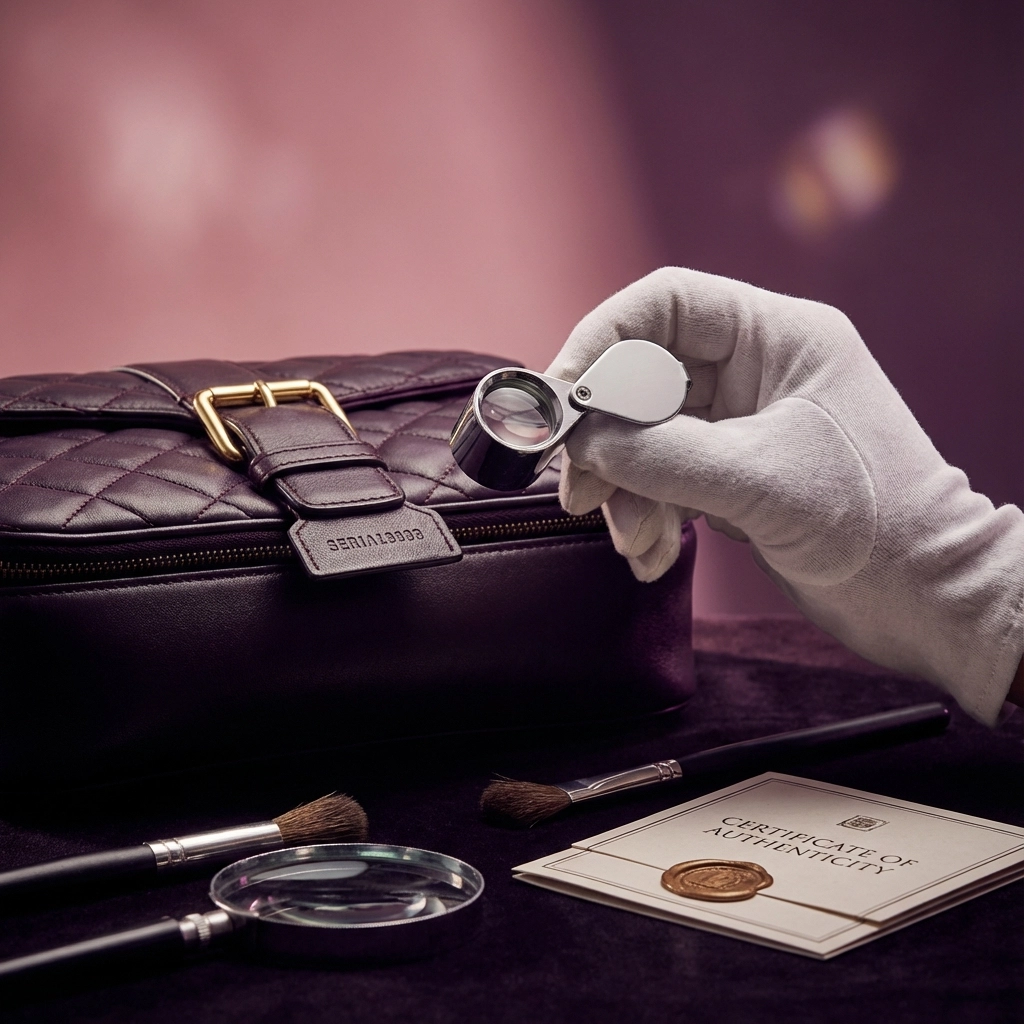
With increased price gaps between new and pre-owned items, the risk of counterfeit goods entering the market rises substantially. Professional authentication services and reputable dealers become crucial partners in ensuring purchase security. The investment in proper authentication pays for itself when considering the potential savings on legitimate pre-owned pieces.
3. Immediate Availability vs Extended Wait Times
Luxury brands are experiencing supply chain disruptions beyond just tariff costs. Production schedules, shipping delays, and inventory management complications mean longer wait times for new items. Pre-owned pieces offer immediate gratification without the uncertainty of delivery timelines or potential future price adjustments.
4. Investment Grade Pieces Become More Valuable
Classic investment pieces like the Hermès Birkin 35 or Chanel Matelassé bags benefit from increased scarcity and higher new retail prices. Pre-owned versions of these items become more attractive investments as the gap between pre-owned and new pricing widens.
5. Seasonal Collections Face Delayed Releases
Tariff complexities are causing some brands to delay seasonal releases or reduce collection sizes. This scarcity makes previous season items in the pre-owned market more valuable, as they may represent the only opportunity to acquire certain designs without waiting for uncertain future releases.
6. Regional Price Variations Create Opportunities
Different regions implement tariffs at varying rates and timelines. Smart shoppers who understand these geographical differences can time purchases strategically or work with dealers who source inventory from optimal locations. Pre-owned markets often reflect these regional advantages in their pricing structures.
7. Warranty and Service Considerations
While new luxury items come with full manufacturer warranties, many established pre-owned dealers offer their own authentication and condition guarantees. The savings from pre-owned purchases often exceed the value of extended warranty coverage, especially for well-maintained pieces from recent years.
8. Currency Fluctuations Amplify Savings
International currency movements, combined with tariff impacts, create compound effects on luxury pricing. Pre-owned pieces priced in local currency avoid these double impacts, providing additional insulation from economic volatility affecting international luxury trade.
9. Limited Edition and Discontinued Styles Gain Premium Value
As production costs increase, brands may discontinue certain styles or limit production runs. Pre-owned examples of these pieces become increasingly valuable, as they represent the only way to acquire specific designs. Items like the Louis Vuitton Monogram Multicolor collection demonstrate how discontinued lines appreciate when new alternatives become prohibitively expensive.
10. Professional Restoration Services Maximize Value
The growing price gap makes professional restoration of pre-owned luxury items more economically attractive. Investing in expert cleaning, minor repairs, or hardware restoration can bring pre-owned pieces to near-new condition at a fraction of current retail prices.
Market Timing and Strategy
Understanding market cycles becomes crucial in the current environment. Luxury resale markets often lag behind retail price adjustments by several months. Early movers who recognize these patterns can acquire pieces before the pre-owned market fully adjusts to new retail realities.
The most successful approach involves building relationships with reputable dealers who understand both authentication and market timing. Platforms that specialize in luxury resale often provide better selection and expertise than generalist marketplaces, especially for high-value pieces requiring specialized knowledge.
Quality and Condition Standards
Pre-owned luxury shopping requires different evaluation criteria than new purchases. Understanding condition grading, normal wear patterns, and restoration possibilities becomes essential. A bag with minor corner wear might represent exceptional value if the savings exceed restoration costs.
Professional photographs and detailed condition reports help remote buyers make informed decisions. Reputable sellers provide comprehensive documentation of any imperfections and authenticate all pieces through established verification processes.
Building a Strategic Collection
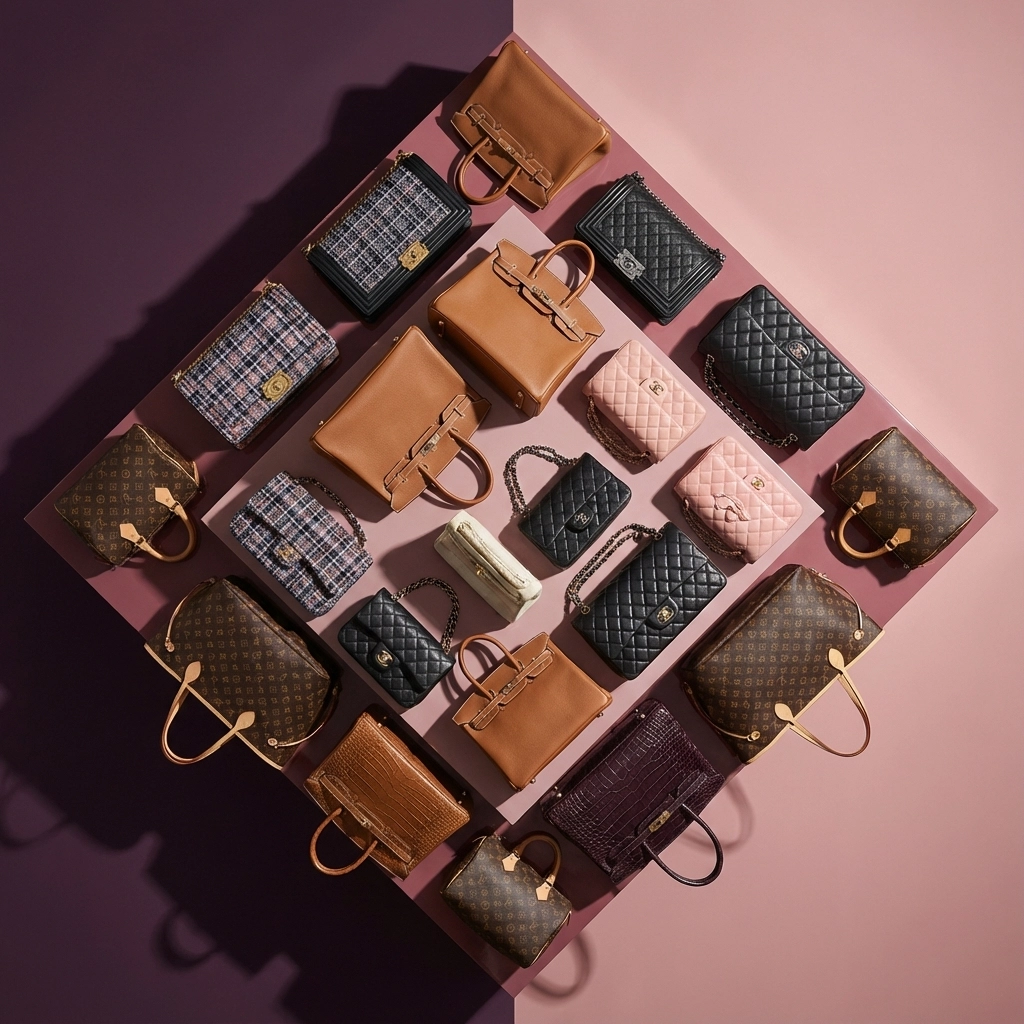
The current market environment favors strategic collection building over impulse purchases. Focus on investment-grade pieces from established houses with strong resale histories. Classic designs in neutral colors typically offer better long-term value retention than trendy pieces tied to specific seasons.

Consider diversifying across different brands and categories to minimize risk while maximizing potential appreciation. The Culture4Couture collection demonstrates this approach with carefully curated pieces spanning multiple luxury houses and style categories.
Future Market Outlook
Tariff policies may evolve, but the current environment has permanently shifted luxury shopping patterns. Consumers who adapt to pre-owned purchasing now position themselves advantageously for future market changes. The skills and relationships developed in navigating today's market provide lasting value regardless of future policy adjustments.
The pre-owned luxury market continues maturing with improved authentication technology, expanded dealer networks, and increased consumer acceptance. These improvements reduce traditional barriers while amplifying the economic advantages of pre-owned shopping.
Smart shoppers who understand these dynamics can build exceptional luxury collections while avoiding the premium costs associated with current tariff impacts. The key lies in education, timing, and working with knowledgeable partners who understand both luxury goods and market conditions.
Comments