
Vintage Chanel vs. Brand New: Which Gives You Better Investment Returns in 2025?
- HER2 Beauty Bar

- Dec 21, 2025
- 4 min read
Chanel bags aren't just accessories: they're investments. But here's the million-dollar question: should you drop $11,000 on a brand new Classic Flap, or hunt for that perfect vintage piece at half the price?
With Chanel's latest price increases hitting 4-5% in August 2025 alone, this decision has never been more critical. Let's break down the numbers and see which strategy actually puts more money back in your pocket.
The Case for Brand New Chanel
Why New Bags Win on Predictability
Brand new Chanel bags offer something vintage can't: guaranteed appreciation through Chanel's relentless price increases. The Classic Flap jumped from $6,500 in 2020 to $11,300 in 2025: that's a 73.8% gain in five years without lifting a finger.
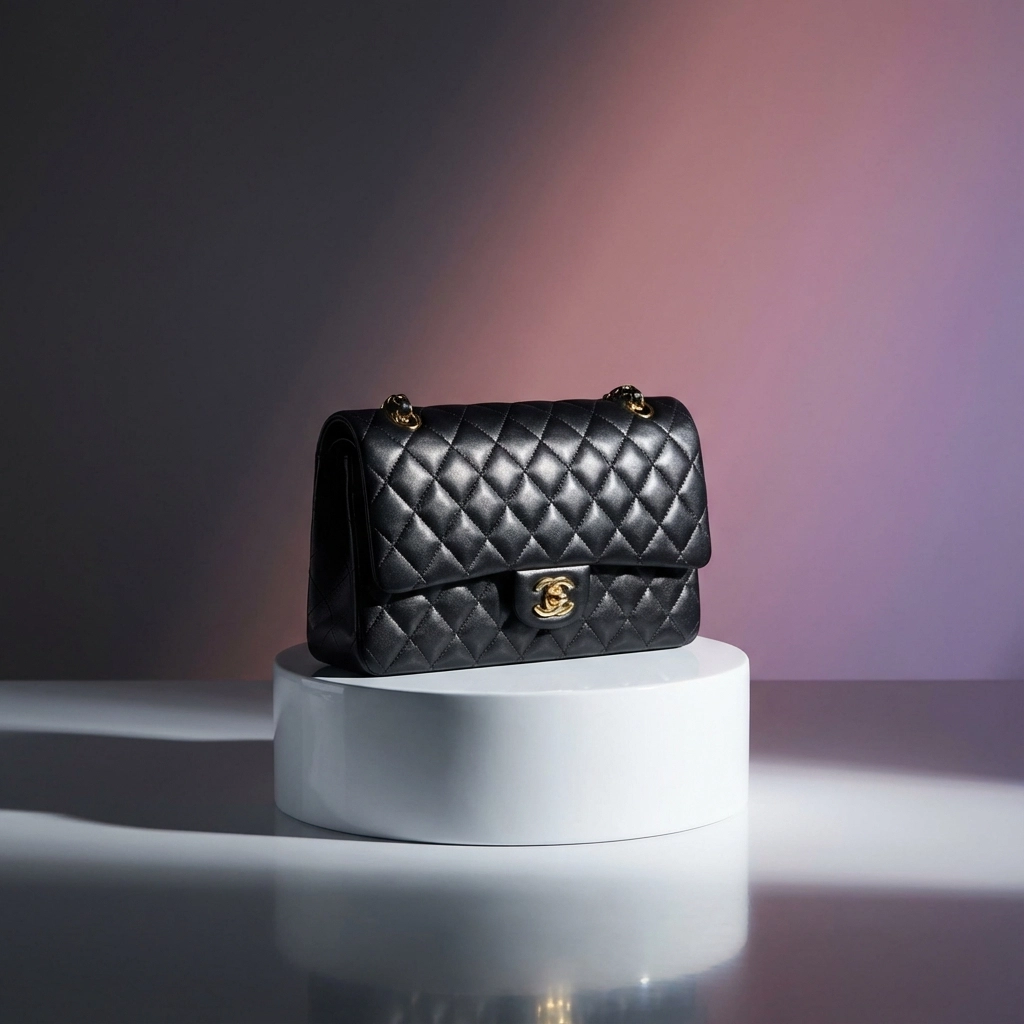
Chanel has maintained an average annual price increase of 6.1% over the past 42 years. This isn't market speculation; it's corporate strategy. When you buy new, you're essentially buying into Chanel's pricing algorithm.
The New Bag Advantages
Zero Condition Risk: Your bag arrives pristine. No surprises, no hidden damage, no "minor scuffing" that wasn't mentioned in the listing.
Authentication Guarantee: Full warranty, retail documentation, and zero counterfeit concerns. You're paying for peace of mind.
Faster Resale: New Chanel bags typically sell within 3-6 months. The market knows exactly what it's getting.
Proven Track Record: The Classic Flap delivered +375% returns from 2008-2025, outperforming gold (+87%) and Paris real estate (+65%).
The Downsides
Here's where it gets tricky. You're paying full retail, which means your returns are capped by Chanel's price increase schedule. Recent reports also suggest the resale market is softening slightly, which could impact near-term profits.
Plus, that $11,000+ entry point isn't accessible to everyone.
The Vintage Chanel Investment Strategy
Why Vintage Offers Higher Returns
Vintage Chanel bags can deliver spectacular returns if you know what you're doing. Well-maintained pieces show gains of 25-45% versus purchase price, with rare models hitting 80% appreciation.
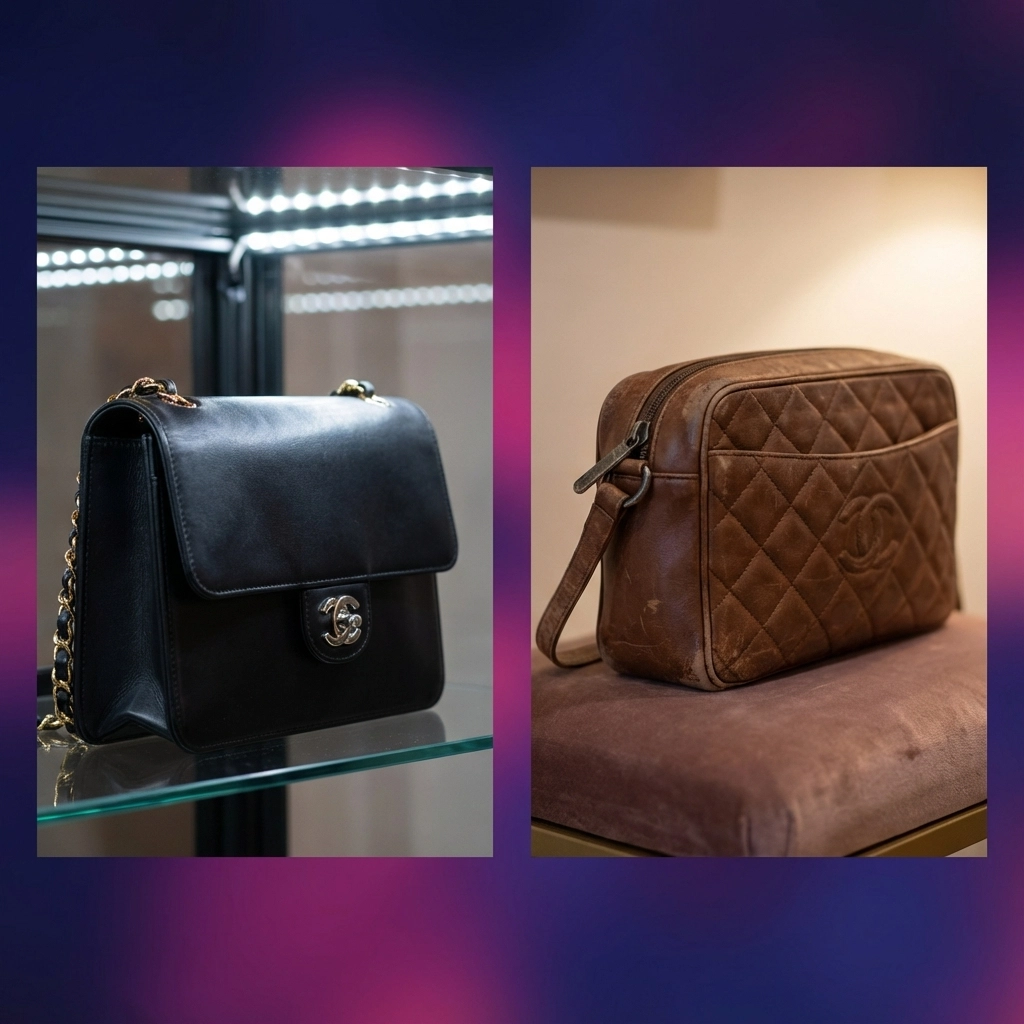
Consider the iconic 2.55: originally $220 in 1955, now $11,300 retail. Even buying at vintage prices represents incredible growth potential. The 2.55 Reissue has nearly doubled in value over the past decade (100-120% increase).
Vintage Advantages
Lower Entry Costs: Vintage pieces often cost 30-50% below current retail prices. This lower barrier to entry means higher percentage returns.
Rarity Premium: Discontinued colors, limited editions, and vintage hardware command significant premiums that new bags can't match.
Market Inefficiencies: You can sometimes find underpriced gems that the market hasn't properly valued yet.
Direct Price Appreciation: As Chanel raises retail prices, your vintage bag benefits without you paying retail premiums.
The Vintage Risks
Condition is everything. Dry rot, worn leather, or structural damage can destroy investment value overnight. Unlike stocks, you can't research a bag's "fundamentals" from your computer: you need to physically inspect or trust expert authentication.
Counterfeit risk is also higher in the vintage market, requiring specialized knowledge or professional verification services.
Investment Comparison: Numbers Don't Lie
Factor | Brand New | Vintage |
Entry Cost | $5,200-$12,200 (full retail) | 30-50% below retail |
Annual Appreciation | 4-6% guaranteed | Variable (0-80%) |
5-Year Track Record | +73.8% (Classic Flap) | Up to +80% (rare pieces) |
Condition Risk | Zero | High |
Authentication Risk | Zero | Moderate to High |
Resale Speed | 3-6 months | Variable |
Knowledge Required | Basic | Expert level |
Which Strategy Fits Your Profile?
Choose Brand New If You Want:
Safe, predictable returns without the headache of condition assessment
Quick liquidity when you need to sell
Zero authentication concerns
Entry-level Chanel investing without specialized knowledge
New bags are perfect for conservative investors who view handbags as part of a diversified portfolio. You're trading higher returns for lower risk and simpler execution.
Choose Vintage If You Have:
Expert knowledge of Chanel authentication and condition assessment
Lower initial capital but want higher potential returns
Patience for longer holding periods and slower resale
Access to verification services or trusted dealers
Vintage investing requires skill, but the rewards can be substantial. Think of it as the "value investing" approach to luxury handbags.
2025 Market Outlook: What the Data Says
Chanel's August 2025 price increase ($500 jump across most sizes) creates an interesting opportunity. New bags purchased before the next increase could see immediate appreciation, while vintage pieces benefit from the rising retail baseline.
However, reports of softening resale prices suggest the market may be reaching a saturation point. This makes condition and rarity even more critical for vintage pieces.
For 2025 specifically, focus on:
New bags from the recent price increase for safe, predictable growth
Vintage 2.55s and Classic Flaps in excellent condition for higher upside
Discontinued colors and hardware in both categories for rarity premiums
The Bottom Line
Vintage Chanel offers higher potential returns (up to 80% for rare pieces) but requires expertise and carries condition risks. Brand new Chanel provides steady, predictable appreciation (4-6% annually) with zero operational complexity.
For most investors, the answer isn't either/or: it's both. Start with new bags to build your foundation and knowledge, then graduate to vintage as you develop expertise. This diversified approach captures steady growth while positioning you for those exceptional vintage finds.
The real key? Whether vintage or new, stick to iconic styles like the Classic Flap and 2.55. These pieces have 70+ years of price appreciation data backing their investment thesis.
Ready to start your Chanel investment journey? Check out our authenticated collection and remember: in luxury handbag investing, knowledge pays better than luck.
Comments