
Luxury Handbag Authentication Secrets Revealed: What AI Technology Experts Don't Want You to Know
- HER2 Beauty Bar

- Nov 1, 2025
- 4 min read
The luxury handbag authentication industry operates behind a veil of intentional mystery. While this might seem like experts are hiding crucial information from consumers, the reality is more nuanced. Authentication processes are deliberately kept private: not to deceive buyers, but to prevent counterfeiters from studying and replicating verification methods.
The Real Authentication Process Exposed
Authentication services follow systematic inspection protocols that focus on tangible, verifiable details. The process begins with serial numbers and date codes, which vary by brand and production year. Experts examine boutique stamps, stitching patterns, stitch counts, hardware engravings, and even zipper manufacturers.

For brands like Chanel and Louis Vuitton, authenticators must know whether a bag uses printed codes or hidden microchips, as these systems have evolved over time. Physical inspectors use magnifiers, UV lights, and sometimes chemical tests on leather to verify authenticity. They check hardware weight, zipper operation, logo centering, and interior stamp quality.
These inspection criteria aren't industry secrets: they're methodical standards that anyone can learn. The challenge lies in developing the trained eye to spot subtle differences between authentic and counterfeit items.
AI Technology Revolution in Authentication
Machine learning has transformed luxury handbag authentication by analyzing thousands of images to identify details human eyes might miss. Companies like Entrupy use microscopy combined with AI to scan items against databases containing millions of authentic and counterfeit samples.
The technology cross-references features in real time, comparing microscopic details like leather grain patterns, hardware textures, and stitching precision. However, AI doesn't operate independently. Human experts review AI assessments to ensure accuracy, creating a hybrid system that combines technological precision with human judgment.
This dual approach addresses the limitations of both purely human and purely automated authentication. While humans excel at contextual analysis and spotting unusual anomalies, AI excels at rapid pattern recognition and consistent application of learned standards.
Why Authentication Methods Stay Private
The intentional opacity surrounding specific authentication techniques serves a crucial purpose: protecting the verification system itself. If every detail were publicly revealed, sophisticated counterfeiters would simply adapt their methods to bypass known checkpoints.

Authentication experts deliberately keep certain inspection methods confidential to maintain the effectiveness of their verification processes. This approach creates a constant arms race between authenticators and counterfeiters, with each side continually evolving their techniques.
Counterfeiting remains a significant challenge despite these protective measures. Industry data indicates that 8-12% of items submitted for authentication at the business-to-business level are identified as counterfeit, representing billions of dollars in fake merchandise annually.
What Consumers Actually Need to Know
Certificate of Authenticity (COA) documentation becomes crucial for resale value and insurance purposes. Physical authentication typically requires about one hour for in-person inspection, while digital services can deliver results within minutes to several days, depending on the complexity of the item.
Photo-based authentication services require specific image requirements: clear close-ups of logos, hardware, stamps, serial numbers, and stitching from multiple angles using natural light. Poor lighting or blurry images can result in inconclusive authentication results.
Understanding brand-specific authentication markers proves valuable for consumers. Louis Vuitton date codes follow specific formats that changed over decades, while Chanel authenticity cards and serial stickers evolved with different security features. Each brand maintains unique characteristics that trained authenticators recognize immediately.
The Economics Behind Authentication Secrecy
Professional authentication services charge premium fees partly because of their specialized knowledge and partly because of their liability coverage. Many services guarantee their authentication results, offering financial protection if their assessment proves incorrect.
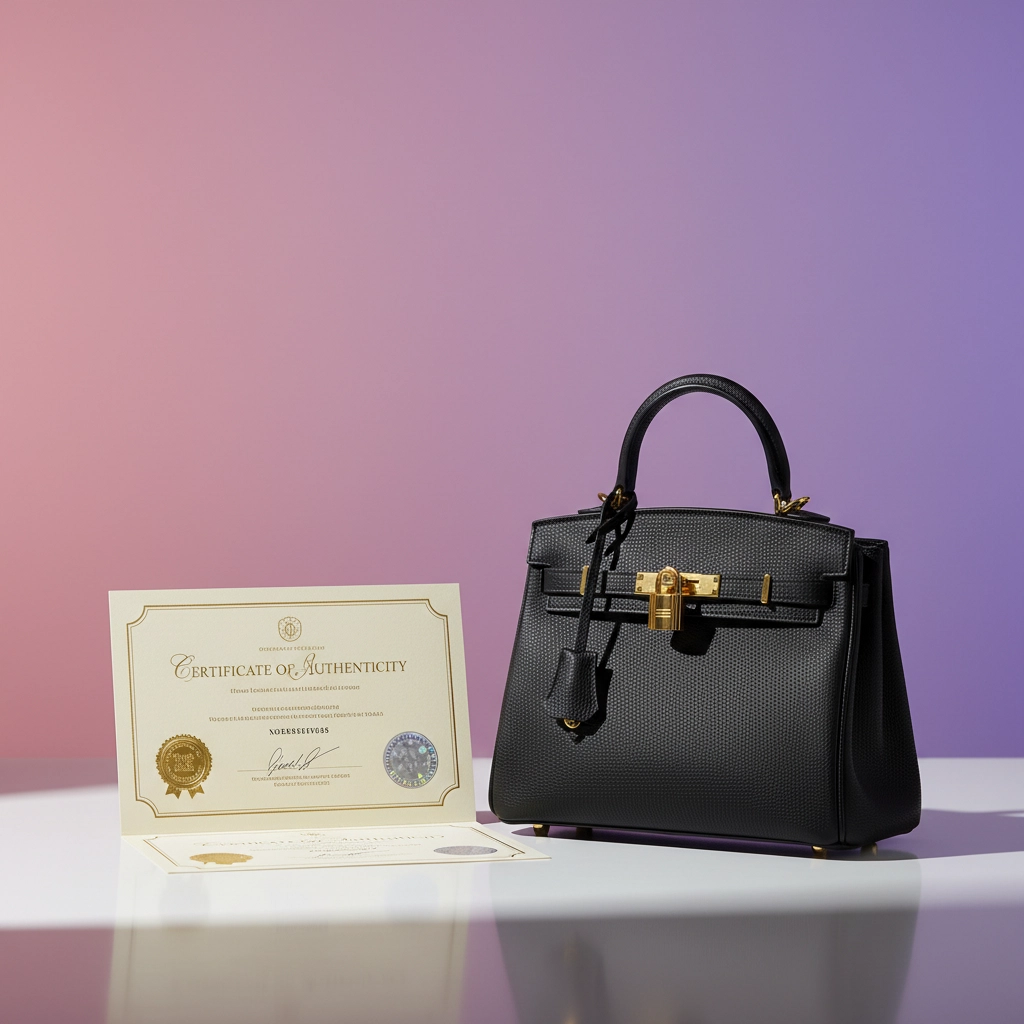
This guarantee system explains why authentication companies guard their methods carefully. If counterfeiters could easily study and circumvent verification techniques, the financial risk for authentication services would become unsustainable.
The authentication industry operates on reputation and accuracy rates. Services that maintain high success rates command higher fees and attract more clients, creating economic incentives to protect proprietary verification methods.
Technology vs Traditional Methods
Digital authentication represents the industry's future, but traditional hands-on inspection remains irreplaceable for certain verification aspects. Leather aging, hardware wear patterns, and construction quality require physical examination that photography cannot fully capture.
Some luxury items, particularly vintage pieces, require specialized knowledge about historical production methods, materials, and construction techniques that AI systems may not adequately address. Human experts bring contextual understanding of brand evolution, production changes, and period-specific details.
The most reliable authentication services combine both approaches, using technology for initial screening and pattern recognition while employing human experts for final verification and edge cases.
Consumer Protection Strategies
Smart buyers can protect themselves by understanding basic authentication principles without needing industry secrets. Purchase from authorized retailers when possible, and maintain all original documentation including receipts, authenticity cards, and packaging.

For pre-owned purchases, request detailed photographs of all authentication markers before buying. Compare these images against verified examples from reputable sources or brand websites. When in doubt, invest in professional authentication before completing high-value transactions.
Understanding market values helps identify suspiciously low prices that might indicate counterfeit items. If a deal seems too good to be true, it probably is. Legitimate sellers of authentic luxury items rarely need to drastically undercut market prices.
The Future of Authentication
Authentication technology continues evolving with blockchain verification, RFID tracking, and advanced imaging systems. Some luxury brands now incorporate digital authentication features directly into their products, making verification more transparent for consumers.
These technological advances may eventually reduce the need for secretive authentication methods, as built-in verification features become harder to counterfeit than they are to authenticate.
However, the fundamental principle remains: authentication effectiveness depends partly on maintaining certain verification methods as industry knowledge rather than public information. This balance protects both consumers and legitimate businesses while making life difficult for counterfeiters.
The authentication industry's "secrets" aren't about hiding information from consumers: they're about preserving the effectiveness of verification systems that protect the luxury goods market. Understanding this distinction helps consumers make informed decisions about authentication services and luxury purchases.
For those serious about luxury handbag collecting and investment, working with reputable authentication services and understanding basic verification principles provides the best protection. The industry's protective opacity serves legitimate buyers' interests by maintaining effective barriers against sophisticated counterfeiting operations.
Comments