
Are Designer Handbags Better Than Stocks? The Investment Returns You Need to Know
- HER2 Beauty Bar

- Nov 10, 2025
- 5 min read
The question might sound absurd at first, but luxury handbags have quietly emerged as one of the most intriguing alternative investments of the past few decades. While your financial advisor probably won't recommend swapping your 401(k) for a collection of Birkin bags, the numbers tell a compelling story that's worth examining.
From 1981 to 2016, Hermès Birkin bags averaged annual returns of 14.2%, significantly outpacing the S&P 500's 8.7% and crushing gold's -1.5% return over the same period. But before you liquidate your portfolio for luxury leather goods, let's dive deeper into what these numbers really mean and whether designer handbags deserve a place in your investment strategy.
The Numbers Don't Lie: Historical Performance Breakdown
The luxury handbag market has demonstrated remarkable resilience and growth over the past several decades. In 2022 alone, designer bag prices surged 26% overall, with Chanel leading the charge at 24.5% appreciation. Some brands like Telfar achieved extraordinary resale values reaching 195% of their original retail price.
However, it's important to look beyond the headline-grabbing statistics. According to Sotheby's comprehensive data analysis, the 40-year compound annual growth rate of a Birkin bag stands at a more modest 5%. This is still respectable when compared to bonds (currently yielding 3-5% annually) and gold (typically around 7% per year), but falls short of the S&P 500's historical 10-12% average returns.
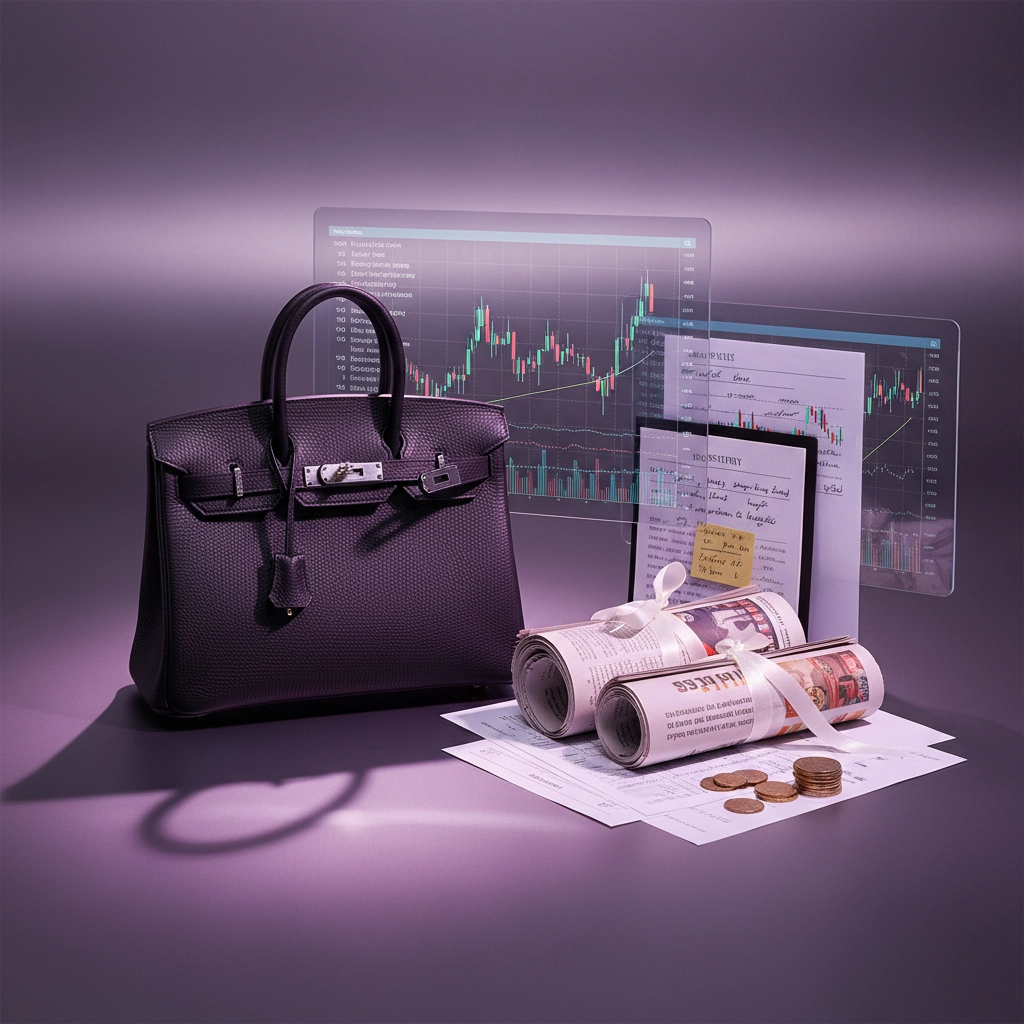
The key difference lies in volatility. Designer handbags maintain annualized volatility of only 2.5-5%, making them significantly more stable than traditional stock investments. This lower volatility can be particularly attractive for investors seeking to reduce portfolio fluctuations while maintaining growth potential.
Designer Handbags: The Case for Luxury Leather
The Unique Investment Proposition
What sets designer handbags apart from traditional investments is their dual functionality. Unlike stocks or bonds, you can actually wear and enjoy your investment while it potentially appreciates in value. This "wearing while growing wealth" concept has attracted a new generation of investors who view luxury goods as both personal enjoyment and financial assets.
The secondary market has also evolved dramatically. Online platforms like The RealReal and Rebag have made buying and selling pre-owned luxury handbags more accessible than ever before. Traditional auction houses now regularly feature handbag sales, with some rare Hermès Kelly bags selling for over $300,000.
The Brand Factor
Not all designer handbags are created equal when it comes to investment potential. Only select brands from top-tier designers have demonstrated consistent value retention. The holy trinity of handbag investing remains Hermès, Chanel, and Louis Vuitton, with Hermès leading the pack due to their controlled production and exclusive distribution model.
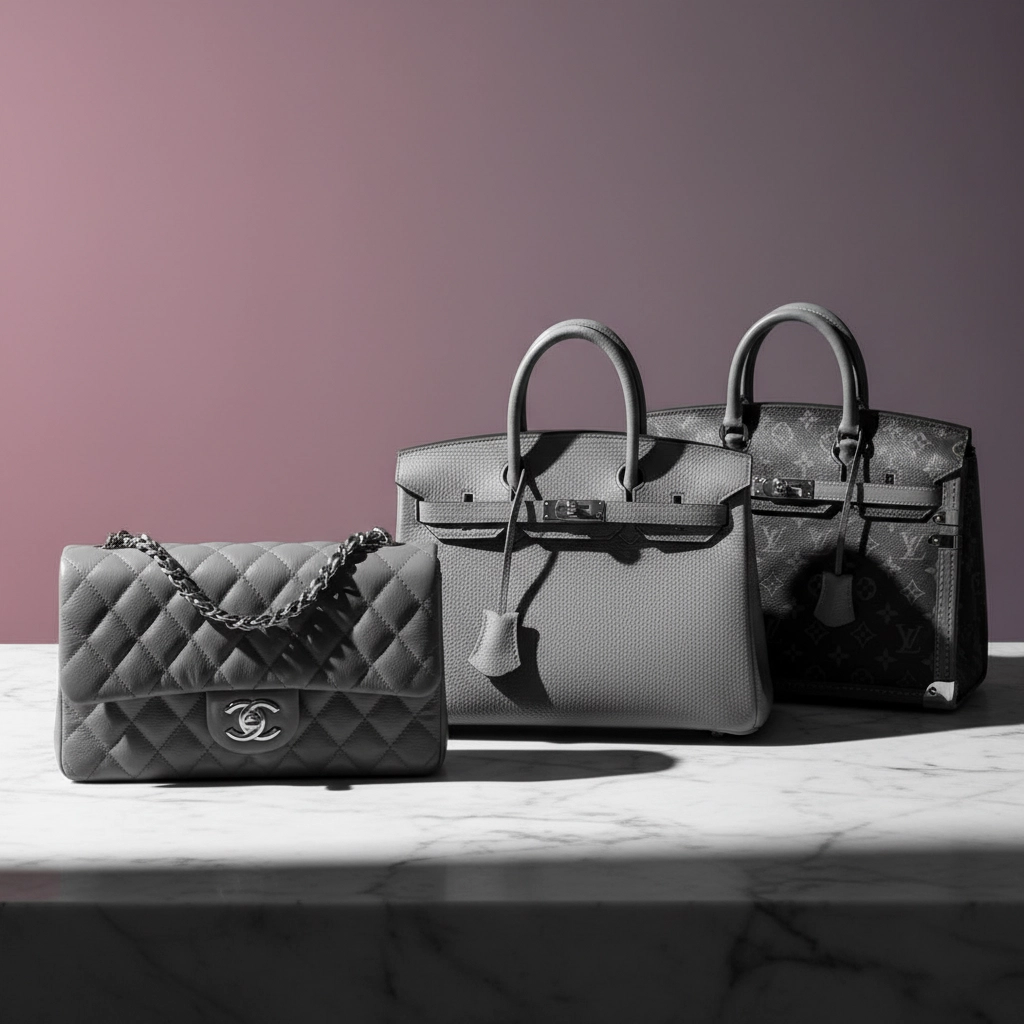
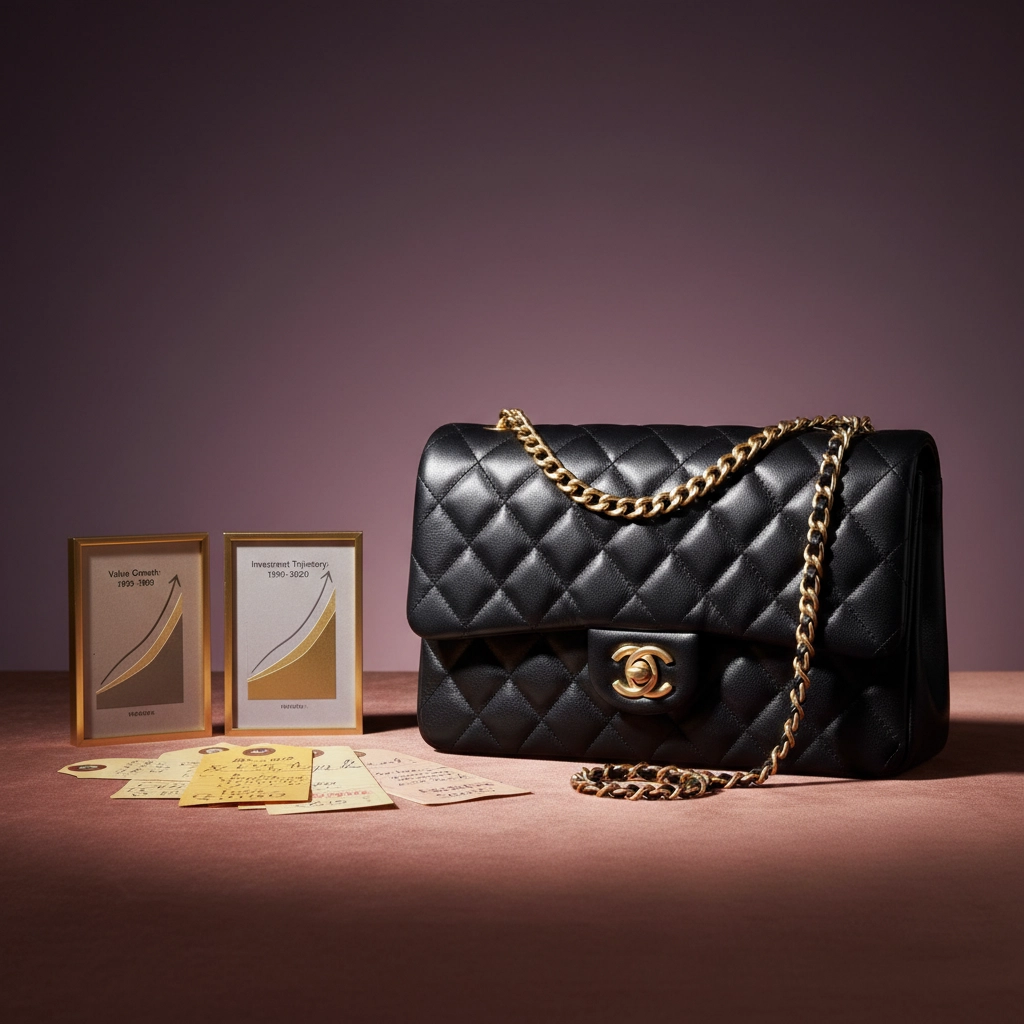
The Chanel Classic Flap bag provides an excellent case study in handbag appreciation. Since 2010, this iconic piece has appreciated roughly 200%, translating to approximately 11% annual returns. This performance becomes even more impressive when considering the bag's cultural significance and timeless design.
The Demographic Shift
Gen Z now comprises 41% of the luxury resale market, indicating a fundamental shift in how younger consumers view luxury goods. This demographic treats designer handbags as investable assets rather than mere fashion accessories, supporting long-term demand and price stability.
The Reality Check: Handbag Investment Challenges
Liquidity Limitations
The biggest challenge with handbag investing is liquidity. Unlike stocks, which can be sold instantly during market hours, handbags require finding the right buyer at the right time. The selling process can take weeks or months, and you may need to accept lower prices for quick sales.
The Condition Conundrum
A handbag's physical condition dramatically impacts its value. A damaged clasp, worn corners, or questionable authenticity can destroy an investment faster than a stock market crash. Proper storage, insurance, and maintenance become essential components of your investment strategy.
Market Volatility Through Trends
While handbags show lower financial volatility than stocks, they're subject to fashion trends and brand decisions that can cause sudden value swings. A new creative director, celebrity endorsement, or shift in consumer preferences can dramatically impact specific models or entire brand portfolios.
Stocks: The Traditional Investment Benchmark
Proven Long-Term Growth
The S&P 500's track record speaks for itself. Over the past century, despite numerous market crashes and economic downturns, stocks have consistently delivered superior long-term returns. This performance comes from the underlying growth of American businesses and the power of compound interest over extended periods.
Unmatched Liquidity and Diversification
Stocks offer instant liquidity during market hours and transparent, real-time pricing. You can easily diversify across sectors, company sizes, and geographic regions with minimal capital requirements. Index funds allow broad market exposure for as little as a few hundred dollars.
Lower Maintenance Requirements
Unlike physical assets, stocks require no storage, insurance, or condition monitoring. Your investment grows (or declines) based purely on market performance, without the need for physical maintenance or authenticity verification.
Side-by-Side Investment Comparison
When comparing designer handbags to stocks as investments, several key factors emerge:
Returns: Historically, select luxury handbags have delivered competitive returns, but the S&P 500's long-term performance remains superior for most time periods.
Volatility: Handbags win decisively with much lower day-to-day price fluctuations.
Liquidity: Stocks dominate with instant execution and transparent pricing.
Diversification: Stocks offer easier and more affordable diversification options.
Maintenance: Stocks require no physical upkeep or storage considerations.
Enjoyment Factor: Handbags provide personal satisfaction and utility beyond investment returns.
Strategic Investment Recommendations
For the Luxury Enthusiast
If you're passionate about fashion and plan to use luxury handbags regardless of investment performance, selective purchases from proven brands can make sense. Focus on classic designs from Hermès, Chanel, and Louis Vuitton that have demonstrated consistent appreciation. Consider this approach as portfolio diversification rather than core wealth building.
For the Traditional Investor
Stocks remain the superior choice for most investors due to higher historical returns, superior liquidity, and lower maintenance requirements. The S&P 500's consistent long-term performance, combined with the ease of diversification through index funds, provides a more reliable path to wealth building.
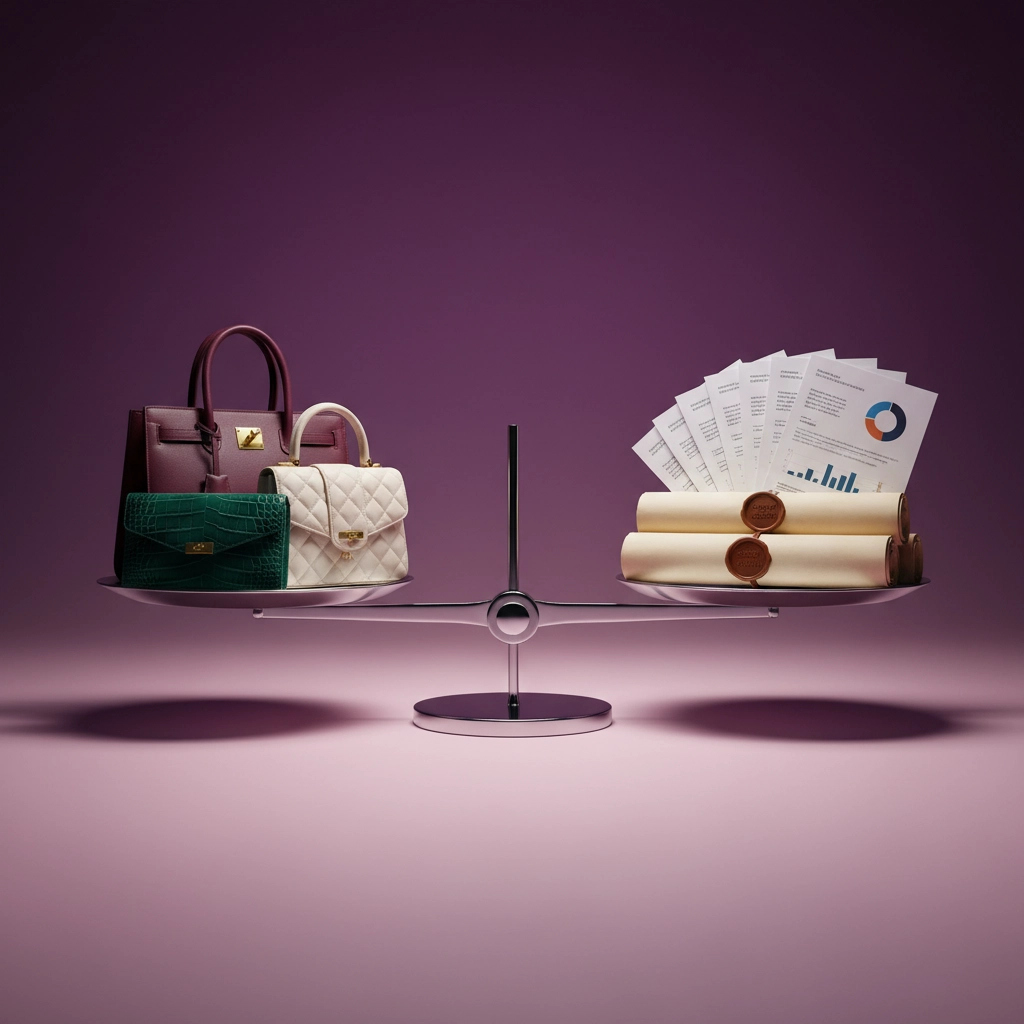
The Balanced Approach
A diversified strategy combining both asset classes can work for investors with sufficient capital and expertise. Allocate your core long-term wealth (80-90%) to stocks through low-cost index funds, while dedicating a smaller portion (5-10%) to carefully selected luxury handbags from top-tier brands.
This approach captures stock market upside while potentially benefiting from handbag appreciation and personal enjoyment. The key is treating handbag investments as alternative assets rather than core holdings.
The Final Verdict
While designer handbags have delivered impressive returns for savvy investors who picked the right pieces at the right times, stocks remain the superior long-term investment for most people. The combination of higher historical returns, superior liquidity, and lower maintenance requirements makes stocks the clear winner for wealth building.
However, luxury handbags can serve as an interesting alternative investment for those with the expertise, capital, and patience required for success in this niche market. The key is approaching handbag investing with realistic expectations and treating it as portfolio diversification rather than a replacement for traditional investments.
Whether you choose stocks, handbags, or a combination of both, remember that successful investing requires patience, research, and a long-term perspective. The best investment is often the one that aligns with your financial goals, risk tolerance, and personal interests.
For those interested in exploring luxury handbag investments, Culture4Couture offers authenticated pieces from top-tier brands, helping you make informed decisions in this unique alternative asset class.
Comments