
AI Authentication Exposed: 7 Game-Changing Technologies That Will Revolutionize How You Buy Luxury Handbags
- HER2 Beauty Bar

- Nov 3, 2025
- 5 min read
The luxury handbag market is facing a crisis of trust. With counterfeit goods flooding the market and becoming increasingly sophisticated, traditional authentication methods are struggling to keep up. Enter artificial intelligence – the game-changer that's revolutionizing how we verify the authenticity of luxury handbags.
Gone are the days when authentication relied solely on human expertise and gut feelings. Today's AI-powered technologies can detect microscopic imperfections, analyze materials at the molecular level, and cross-reference millions of data points in seconds. Here are the seven breakthrough technologies that are transforming luxury handbag authentication forever.
1. AI-Powered Microscopic Analysis: The Entrupy Revolution
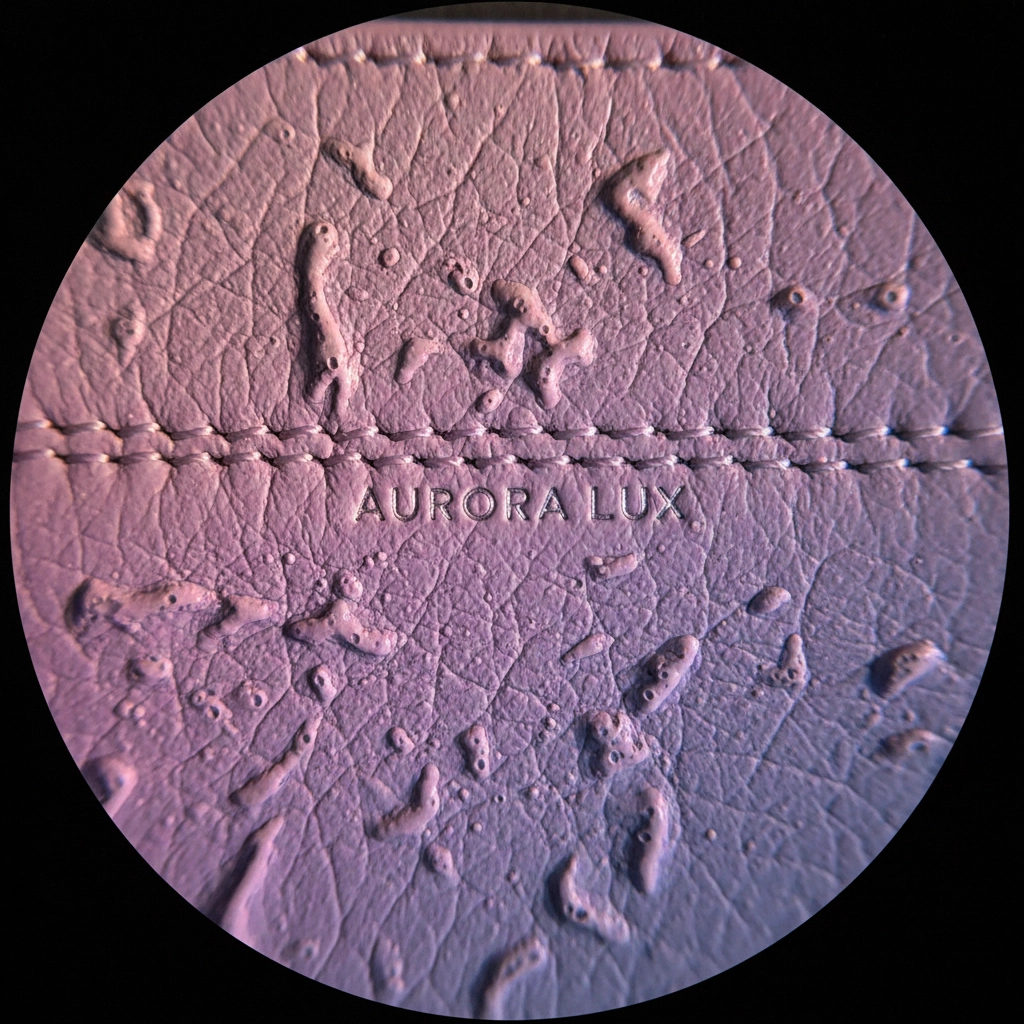
The most groundbreaking advancement in authentication technology comes from companies like Entrupy, which combine artificial intelligence with high-powered microscopy. This technology examines handbags at a microscopic level, analyzing details invisible to the human eye.
The system works by capturing ultra-high-resolution images of specific areas on a handbag – stitching patterns, leather grain, hardware finishes, and logo details. The AI then compares these microscopic features against a database containing millions of authenticated items from over 20 luxury brands.
What makes this technology revolutionary is its speed and accuracy. Traditional authentication can take hours or even days, but Entrupy's system delivers results in under five minutes with nearly 100% accuracy. The microscopic analysis can detect the subtle differences in thread tension, material composition, and manufacturing techniques that separate authentic pieces from even the most sophisticated counterfeits.
For luxury handbag enthusiasts shopping at Culture4Couture, this technology provides unprecedented confidence in pre-owned purchases. No longer do buyers need to worry about sophisticated fakes slipping through traditional authentication processes.
2. Hybrid Human-AI Authentication Systems
While AI is incredibly powerful, the most effective authentication systems combine artificial intelligence with human expertise. Companies like LegitGrails have pioneered hybrid authentication approaches that achieve accuracy rates exceeding 99.3%.
In these systems, each handbag undergoes examination by multiple professional authenticators who specialize in specific brands. Simultaneously, AI algorithms analyze the same item, focusing on different aspects like stitching uniformity, logo placement, and material consistency.
When the human experts and AI reach the same conclusion, the item receives immediate authentication. However, when results conflict, additional authenticators review the piece, with the AI providing detailed analysis to support human decision-making.
This hybrid approach is particularly effective for Hermès and Chanel pieces, where subtle variations between seasons and production years require both technical precision and human intuition to authenticate properly.
3. Blockchain Provenance Tracking
Blockchain technology represents a proactive approach to combating counterfeits by creating an immutable digital record of each handbag's journey from production to consumer. Major luxury brands like Louis Vuitton have already implemented blockchain systems to track their products.
Each authentic handbag receives a unique digital certificate linked to a blockchain ledger. This certificate contains the item's complete history: when it was manufactured, which materials were used, where it was sold, and who has owned it. Because blockchain records cannot be altered or falsified, this creates an unbreakable chain of authenticity.
For consumers purchasing pre-owned luxury handbags, blockchain verification provides absolute certainty about an item's authenticity and history. This technology is particularly valuable for investment-grade pieces, where provenance significantly impacts value.
The integration of blockchain authentication is gradually expanding across the luxury market, with many brands planning to implement these systems for their entire product lines by 2026.
4. Brand-Specific AI Models
Generic authentication tools often miss subtle brand-specific details that distinguish authentic pieces from counterfeits. The solution lies in AI models trained exclusively on individual luxury brands.
These specialized systems understand every nuance of a particular brand's manufacturing processes, design evolution, and authorized variations. A Hermès-specific AI model, for example, knows the exact thread count and stitching patterns used in different Birkin bag productions, while a Louis Vuitton model understands the precise font spacing and canvas grain patterns for every season.
Brand-specific models are trained on massive datasets containing thousands of authenticated items, including rare vintage pieces and limited editions. This deep learning approach allows them to identify counterfeits that might fool even experienced human authenticators.
The effectiveness of these models is particularly evident when authenticating complex pieces with multiple components, such as handbags with intricate hardware or multi-material construction.
5. Computer Vision Quality Control

AI-powered computer vision systems are revolutionizing quality control on luxury manufacturing floors, indirectly making authentication more reliable. These systems examine every aspect of production using advanced imaging technology that operates at speeds far beyond human capability.
Machine vision systems analyze stitching uniformity, color consistency, logo placement, and material alignment with microscopic precision. Any deviation from specified tolerances triggers immediate alerts, ensuring that only products meeting exact standards leave the factory.
This technology serves a dual purpose: it ensures authentic products are consistently manufactured within tight specifications while simultaneously making counterfeits easier to identify due to their inevitable imperfections.
For brands like Gucci, where intricate patterns and precise alignment are crucial, computer vision quality control has significantly reduced production variations that counterfeiters previously exploited.
6. Consumer Authentication Apps
The democratization of authentication technology has led to powerful consumer-facing applications that allow buyers to verify handbags independently. These AI-powered apps analyze high-resolution photos submitted by users, examining multiple authentication factors simultaneously.
Advanced apps evaluate stitching patterns, material quality, font accuracy, logo placement, and hardware details. They also verify an item's origin by cross-referencing the purchase location and price against known legitimate sales channels.
Some applications incorporate community verification features, comparing submitted items against verified images from luxury forums and authenticated databases. This crowdsourced approach strengthens the authentication process by leveraging collective knowledge from luxury handbag communities.
While consumer apps provide valuable preliminary authentication, they work best as part of a comprehensive verification process that includes professional authentication services.
7. Advanced Material Detection AI
The most sophisticated counterfeit operations focus heavily on replicating visual appearance while cutting corners on materials and construction techniques. Advanced AI systems now analyze material composition, weaving patterns, and manufacturing techniques to detect these hidden compromises.
Burberry's AI authentication technology exemplifies this approach, verifying products based on weaving patterns and textures with 98% accuracy. The system can identify minute variations in color gradients, thread tension, and hardware finishing that would be nearly impossible for human authenticators to verify consistently.
These systems use spectral analysis and advanced imaging to examine material properties at the molecular level. They can detect differences in leather treatment, fabric composition, and metal alloys that distinguish authentic materials from cheaper alternatives used in counterfeits.
The Future of Luxury Authentication

These seven technologies work synergistically to create a comprehensive authentication ecosystem that's transforming the luxury handbag market. As counterfeit operations become more sophisticated, the combination of AI precision, human expertise, blockchain transparency, and brand-specific knowledge ensures that legitimate purchases remain verifiable and trustworthy.
For consumers, this technological revolution means greater confidence when investing in luxury handbags, whether purchasing new items or exploring the thriving pre-owned market. The authentication process has evolved from subjective assessment to objective, data-driven verification that provides unprecedented accuracy and speed.
As these technologies continue advancing, we can expect even more sophisticated authentication methods, including real-time verification systems and integration with augmented reality platforms. The future of luxury handbag authentication lies in the seamless integration of multiple AI technologies, creating an ecosystem where counterfeits become increasingly difficult to produce and impossible to pass off as authentic.
For luxury handbag enthusiasts, this technological revolution represents a new era of trust and transparency in the market, where every purchase can be made with complete confidence in its authenticity.
Comments